


Why Item Trackers Are Becoming an Everyday Essential
Not long ago, item trackers were considered niche gadgets used mainly by tech enthusiasts or frequent travelers. Today, they are gradually becoming a practical everyday tool.
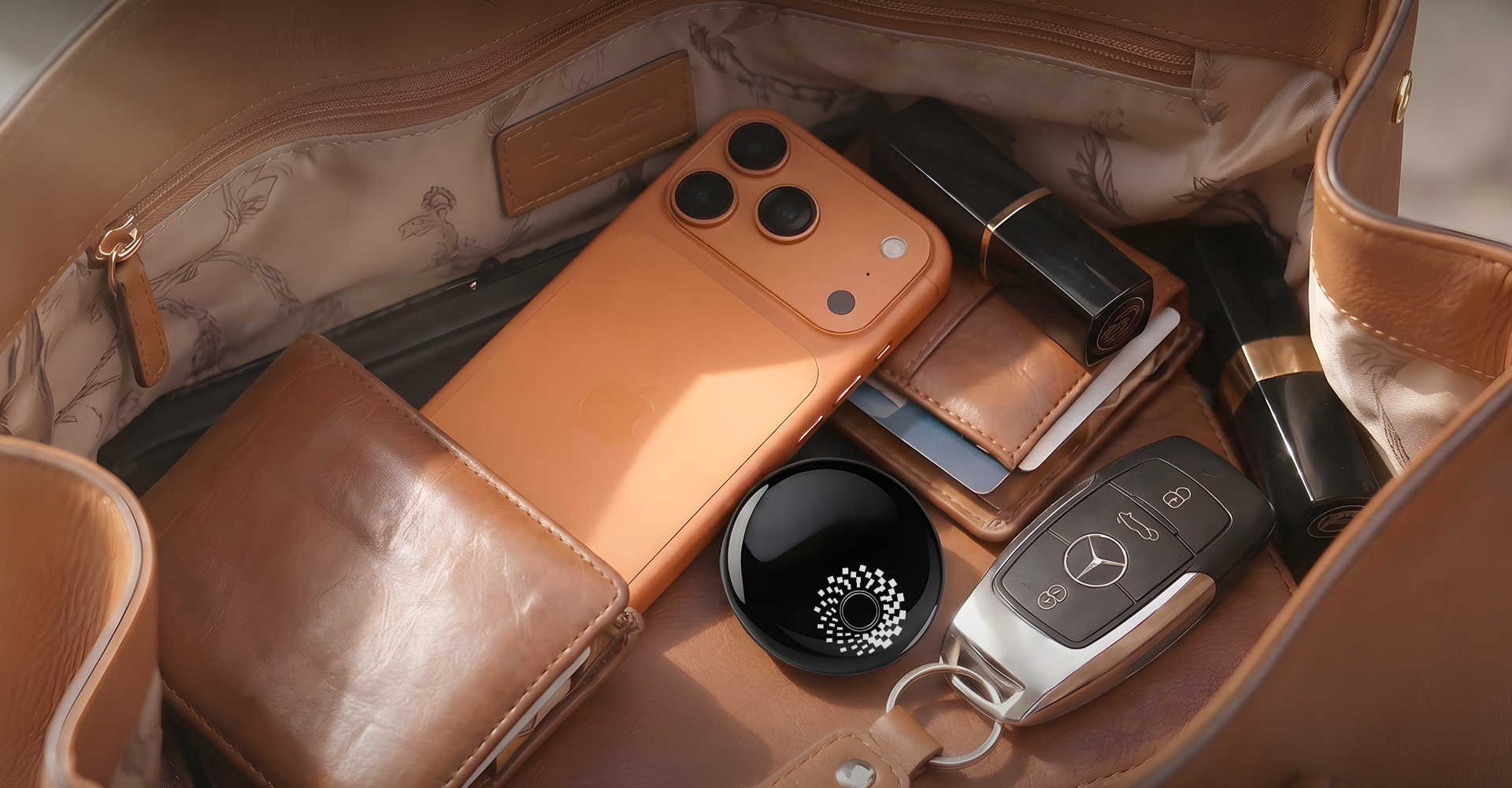
As people move between work, commuting, travel, and social activities, the number of personal belongings we carry each day continues to grow. Keys, wallets, bags, and small accessories often move between different spaces throughout the day, making it easy for them to be misplaced.
Recent updates in the tracker category—including the latest release from Apple—highlight how much attention is now being placed on improving item recovery and ecosystem connectivity. This signals a broader shift in the market: item trackers are evolving from novelty gadgets into tools designed to reduce everyday friction.
For many users, the value of a tracker is simple. It saves time and reduces the small but
frustrating stress of searching for misplaced belongings.
The Everyday Problems Item Trackers Are Designed to Solve
Most people do not look for item trackers because of rare or extreme situations. Instead, the yare trying to solve problems that happen regularly in daily life.
Some of the most common situations include:
• Misplacing keys, wallets, or small bags
• Losing time searching around the house or office
• Feeling anxious when an important item cannot be located quickly
• Managing multiple belongings when commuting or traveling
While these moments may seem minor individually, they add up over time. Item trackers are designed to simplify these situations by making it easier to locate everyday items quickly.
How People Actually Choose an Item Tracker
With more trackers available today, choosing one can feel confusing. However, most users end up making their decision based on a few practical considerations rather than technical features.
Understanding these factors can help you find a tracker that fits naturally into your daily routine.
1. Device Ecosystem Compatibility
One of the first things people consider is whether a tracker fits with the devices they already use. Some users prefer products that integrate closely with a specific ecosystem, while others look for solutions that offer flexibility across different platforms. The right choice often depends on how you use your smartphone and digital tools throughout the day.
2. Maintenance and Battery Convenience
Maintenance is another important factor that many users overlook at first.
Some trackers rely on rechargeable batteries, while others prioritize simple battery
replacement. For everyday items like keys or bags, many users prefer a tracker that requires minimal attention over time. Convenience in maintenance can make a significant difference in long-term usability.
3. Frequency of Daily Use
Not every belonging needs to be tracked in the same way.
Most people primarily use trackers for everyday essentials such as:
• House or car keys
• Work bags or backpacks
• Travel luggage
• Wallets or card holders
When a tracker is used daily, reliability and simplicity often matter more than advanced features.
4. Long-Term Practicality
Finally, users tend to think about how easy the tracker will be to live with over time.
This includes questions like:
• How easy is the setup process?
• How often does it require maintenance?
• Will it fit naturally into daily habits?
A tracker that feels effortless to use is more likely to become part of someone's routine.
A Category That Is Expanding for Different Types of Users
As item trackers continue to grow in popularity, the category is beginning to show different approaches to solving the same problem.
Some trackers focus on highly integrated experiences within a specific device ecosystem. Others prioritize accessibility and simplicity, aiming to make everyday tracking easier for a broader range of users.
This shift suggests that practicality is becoming just as important as technological
advancement. Instead of one universal solution, users now have multiple options that align with different lifestyles.
A Practical Approach to Everyday Item Tracking
Within this evolving category, some trackers are designed specifically around daily convenience. The TUNOVA Tinkle Series focuses on helping users locate commonly misplaced items such as keys, bags, or travel essentials. Its approach emphasizes ease of use, reliable performance, and straightforward maintenance.
Rather than positioning itself as a universal tracking solution, Tinkle is built around practical everyday scenarios—situations where people simply want to find their belongings quickly without added complexity. You can learn more about the product and how it works on the TUNOVA Tinkle product page: https://tunova.co/id/collections/tinkle-series
For users who value simplicity and clarity, this type of practical design can make item tracking feel like a natural part of daily life.
Choosing a Tracker That Fits Your Lifestyle
Ultimately, the best item tracker is not defined by how many features it offers. What matters more is how well it fits into your everyday habits.
When deciding which tracker to use, it can help to ask a few simple questions:
• What items do I misplace most often?
• How frequently will I use the tracker?
• Do I prefer minimal maintenance?
• Does it work comfortably with the devices I already own?
Answering these questions often leads to a clearer decision than comparing specifications alone.
As item trackers continue to evolve, their core purpose remains the same: helping people feel confident that the things they rely on every day are never too far away.
Your Go-To Carry for Apple Users: A Tech Kit Designed to Move More Lightly
This Is How iPhone 17e Users Stay at 100% Battery Anywhere They Go