


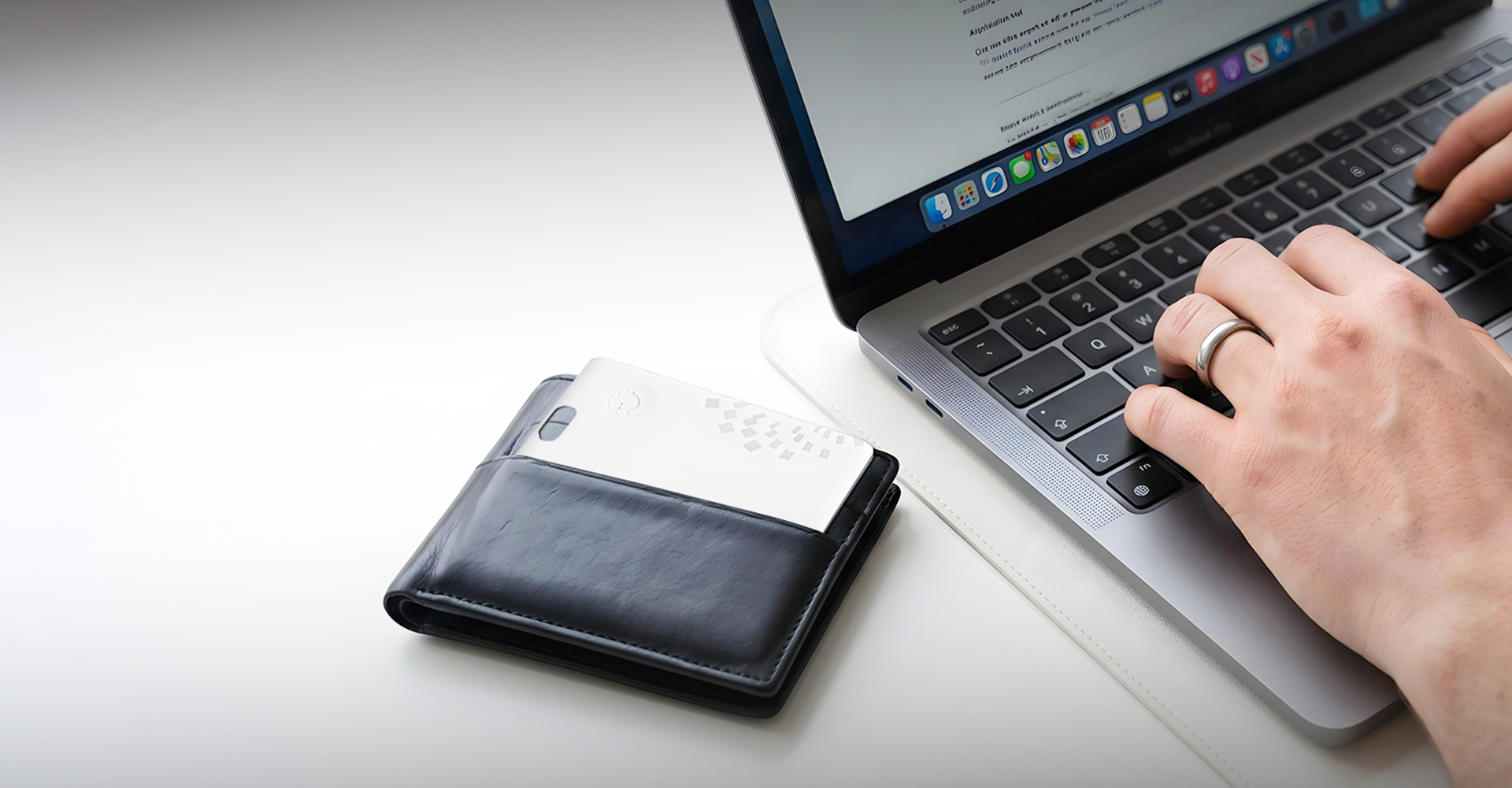
You check your phone before leaving the house. You check your keys. But your wallet? Most of us assume it’s there until the moment it isn’t. And unlike losing a water bottle or earbuds, losing your wallet does not just ruin your day for a few minutes. It creates a chain reaction: cancelled cards, frozen accounts, ID replacement, missed payments, awkward calls to banks, and the lingering anxiety of not knowing where it disappeared.
The scary part is how easily it happens. A wallet slips out during a crowded MRT commute. Gets left behind at a café table during a rushed morning meeting. Falls between car seats during a long trip. Sometimes you do not even realize it is missing until hours later, when retracing your steps becomes almost impossible.
That is exactly why wallet tracking has quietly become one of the smartest everyday protections people are adding to their daily carry.
Why Most People Only Realize This After Losing a Wallet
For years, tracking devices were mostly associated with keys, luggage, or backpacks. Wallets were harder to solve.
The issue was not the technology. It was the shape.
Most trackers on the market are built like small pucks or keychain accessories. They work fine attached to bags or keys, but once you try placing them inside a slim wallet, the experience changes completely. Your wallet bulges awkwardly, leather stretches over time, and suddenly something designed to be minimalist becomes uncomfortable to carry every day.
That is why many people simply give up on the idea of tracking their wallet altogether.
Then there is the second problem: ecosystem lock-in. A lot of trackers only work with either Apple or Android. If your household uses different devices, or if you switch phones over time, that limitation becomes frustrating very quickly.
And finally, there is the app fatigue problem. People do not want to download another third-party app just to locate one item. Especially for something that should feel simple and automatic.
The ideal wallet tracker should feel invisible. Thin enough to disappear into your wallet. Easy enough to set up once and forget. Reliable enough to actually help when the stressful moment comes.
What a Wallet Tracker Should Actually Feel Like
A good wallet tracker should not change the way your wallet feels in your pocket. It should slide into a card slot naturally, like any normal bank card. No bulging. No awkward shape. No extra accessories hanging off the side.
It also should not force you into a complicated setup process. The best experience is the one where your wallet simply appears inside the tracking system your phone already uses.
And because wallets go everywhere, durability matters too. Rain, spills, humid weather, crowded commutes, travel days. The tracker needs to survive real life, not just perfect conditions.
Battery life matters for the same reason. Nobody wants another gadget that constantly needs charging or battery replacements every few months. The whole point of a wallet tracker is peace of mind, not another maintenance routine.
The Shift Toward Card-Shaped Smart Trackers
This is where newer-generation wallet trackers are starting to make more sense, especially the ultra-thin card format. Instead of forcing a keychain tracker into a wallet, these newer designs are built specifically for wallets from the beginning.
One example is Slimtrack, a tracker designed in the exact proportions of a standard credit card. Rather than a bulky circular shape, it measures just 1.6mm thin and slides directly into a card slot without changing the wallet’s form. At 15 grams, it adds almost no noticeable weight.
More importantly, it avoids many of the frustrations older trackers created.
It works with both Apple Find My and Google Find Hub, meaning users are not locked into a single ecosystem. iPhone and Android users can both use the same device without needing separate products.
It also skips the extra-app problem entirely by connecting directly through the tracking systems already built into your phone.
And because daily carry products go through rough conditions, it comes with IP68 water resistance, useful for humid weather, spills, and unpredictable rain during commutes or travel.
Why This Matters More Than People Think
Most people do not buy a wallet tracker because they lose their wallet every They buy one because losing a wallet once is already bad enough.
For commuters, it is reassurance during crowded rush hours. For travelers, it is protection during flights, train transfers, and hotel changes. For minimalists, it is a way to add security without ruining the slim shape of a leather cardholder. For families, it is practical because one product can work across both Apple and Android devices.
And perhaps most importantly, it removes the delay between “I think I lost my wallet” and “I know where it is.” That difference alone can save hours of panic. If you’ve been looking for a simple trackers for your needs, to make your things safe, make sure you have SllimTrack by Tunova. All available only on tunova.co
FAQ
Q: Do I need to install another app to use it?
No. SlimTrack connects directly to Apple Find My for iPhone users and Google Find Hub for Android users.
Q: Will it make my wallet bulky?
It is designed in standard card dimensions and only 1.6mm thin, so it fits naturally inside most wallets and cardholders.
Q: Does it only work with Apple devices?
No. It supports both Apple and Android ecosystems.
Q: Is it waterproof?
Yes. It carries an IP68 rating for protection against water and dust exposure.
Q: How long does the battery last?
The battery is rated for up to three years under normal usage.
Is a 20W Charger Still Enough for iPhone in 2026?